New puppy waste cleanup catches many first-time owners off guard, because a small dog produces waste far more often than expected and needs it removed just as often. Getting your cleanup routine right from day one keeps your home sanitary and supports faster potty training.
A puppy is a joyful handful, and waste management is a big part of the early workload. This beginner’s guide walks new US dog owners through the tools, schedule, and habits that make cleanup simple in 2026.
Why Puppies Need Extra Cleanup Attention
Puppies eat small, frequent meals and have tiny bladders, so they go many times a day. That frequency means waste piles up fast if you are not on a schedule.
Their developing immune systems also make hygiene critical. Prompt cleanup protects your puppy from reingesting parasites and keeps your yard safe as they explore.
The Health Basics Every New Owner Should Know
Young dogs are especially vulnerable to parasites in waste. The American Veterinary Medical Association notes that puppies can carry and transmit worms, so removing waste quickly and washing hands afterward protects both the puppy and your family.
- Puppies eliminate far more often than adult dogs.
- Waste can reinfect an unvaccinated or deworming puppy.
- Prompt cleanup supports consistent potty training.
- Good habits now build a lifelong routine.
Setting Up Your Cleanup Toolkit
Start with the basics and you will never scramble mid-cleanup. A few reliable items cover almost every situation.
- A sturdy scooper so you never touch waste directly.
- Strong, leak-proof bags for yard and walk cleanups.
- An enzyme cleaner for the inevitable indoor accidents.
- A sealed outdoor bin to store waste until trash day.
Which Tools Should a Beginner Buy First?
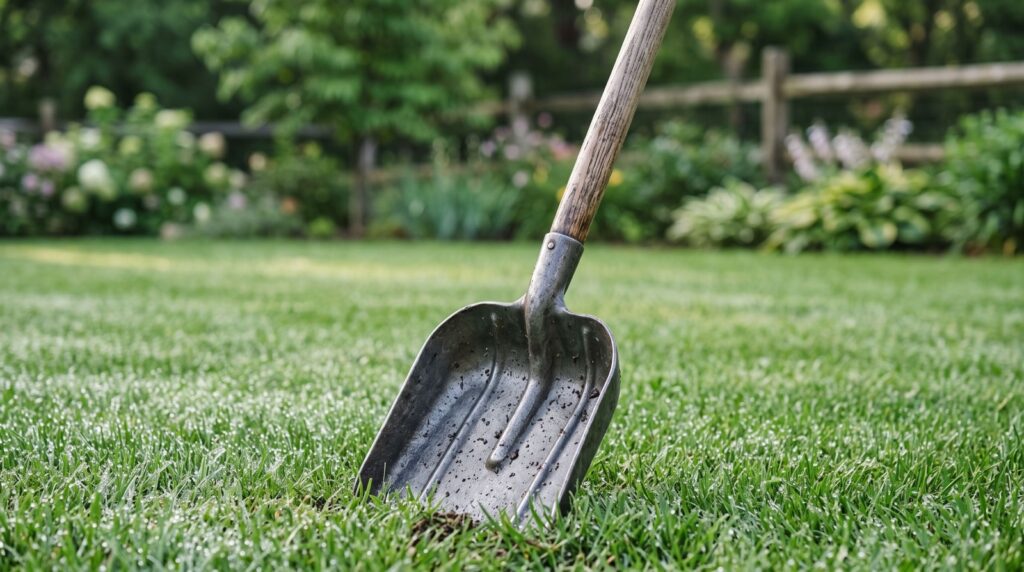
Do not overspend on gadgets you will not use. A dependable metal scooper and quality bags handle 90 percent of the job. A durable Pooper scooper company offers beginner-friendly tools that grow with your dog, and a simple long-handle Pooper scooper spares your back during the many daily cleanups a puppy demands.
Building a Puppy Cleanup Schedule
| Puppy Age | Approx. Potty Frequency | Yard Cleanup |
|---|---|---|
| 8 to 12 weeks | Every 1 to 2 hours | Several times daily |
| 3 to 6 months | Every 3 to 4 hours | Twice daily |
| 6 to 12 months | Every 4 to 6 hours | Once or twice daily |
| Adult | 3 to 5 times daily | Once daily |
Handling Indoor Accidents the Right Way
Accidents are inevitable with a new puppy, and how you clean them matters. Ordinary cleaners leave scent traces that invite repeat mistakes in the same spot.
Enzyme-based cleaners break down the compounds that hold odor, removing the scent marker your puppy would otherwise return to. Blot first, apply the cleaner generously, and let it work before wiping.
Indoor Cleanup Steps
Follow this order to fully remove an accident and protect your training progress.
- Blot up as much liquid as possible with paper towels.
- Remove solid waste with a bag and dispose of it promptly.
- Saturate the area with an enzyme cleaner and let it sit.
- Blot dry and avoid ammonia cleaners, which mimic urine scent.
Consistent, thorough indoor cleanup teaches your puppy that inside is never a bathroom, speeding up the transition to reliable outdoor habits.
Making Cleanup Part of Potty Training
Cleanup and training go hand in hand. A consistent potty spot that you keep clean helps your puppy learn where to go.
Remove waste promptly from the designated area, since a soiled spot confuses training. Use enzyme cleaners indoors so no scent lingers to invite repeat accidents.
Praise and reward reinforce the lesson. When your puppy goes in the right place and you keep that place clean, the association forms quickly, and the whole training process moves faster with far fewer setbacks.
When Does It Get Easier?
Most puppies gain bladder control between four and six months, and the cleanup load drops steadily after that. Until then, consistency is your best friend, and the habits you build now carry into adulthood.
Getting Help as a Busy New Owner
Between work, training, and cleanup, new owners often feel stretched. A professional yard service can lighten the load during those hectic first months. Trusting trusted professionals for regular yard cleanup lets you focus on bonding and training while the mess stays under control.
Building Lifelong Hygiene Habits
The routines you establish in puppyhood shape your dog’s entire life. Consistent cleanup now teaches your puppy that a clean space is the norm.
Good habits protect your family too. Washing hands after cleanup, keeping a dedicated potty zone, and disposing of waste properly become second nature when you start early and stay consistent.
Habits to Lock In Early
Establish these from the first week and they will serve you for years.
- Scoop immediately after every outdoor potty break.
- Wash hands thoroughly after handling waste.
- Keep the designated potty area clean and consistent.
- Restock bags and clean tools before they run out.
These simple practices grow with your dog. By the time your puppy is an adult, cleanup is an effortless part of your day rather than a dreaded chore.
Frequently Asked Questions
How often do puppies need waste cleanup?
Very often. Young puppies go every one to two hours, so yards need cleaning several times daily at first. Frequency drops as they grow and gain bladder control.
What tools does a new dog owner need?
Start with a sturdy scooper, strong leak-proof bags, an enzyme cleaner for indoor accidents, and a sealed outdoor bin. These basics cover almost every cleanup situation.
Can puppy waste make my puppy sick?
Yes. Puppies can reingest parasites from their own waste. Prompt removal and regular vet deworming protect your puppy’s developing immune system.
Does cleanup affect potty training?
Absolutely. Keeping a designated potty spot clean helps your puppy learn where to go, while enzyme cleaners indoors remove scents that trigger repeat accidents.
Start Your Puppy Off Right
New puppy waste cleanup is demanding at first, but the right tools, a solid schedule, and prompt habits make it manageable and even help with training. Set up your toolkit, stay consistent, and lean on help when you need it. Ready to keep your yard clean while you enjoy your new pup? Explore quality cleanup tools or book a service today.